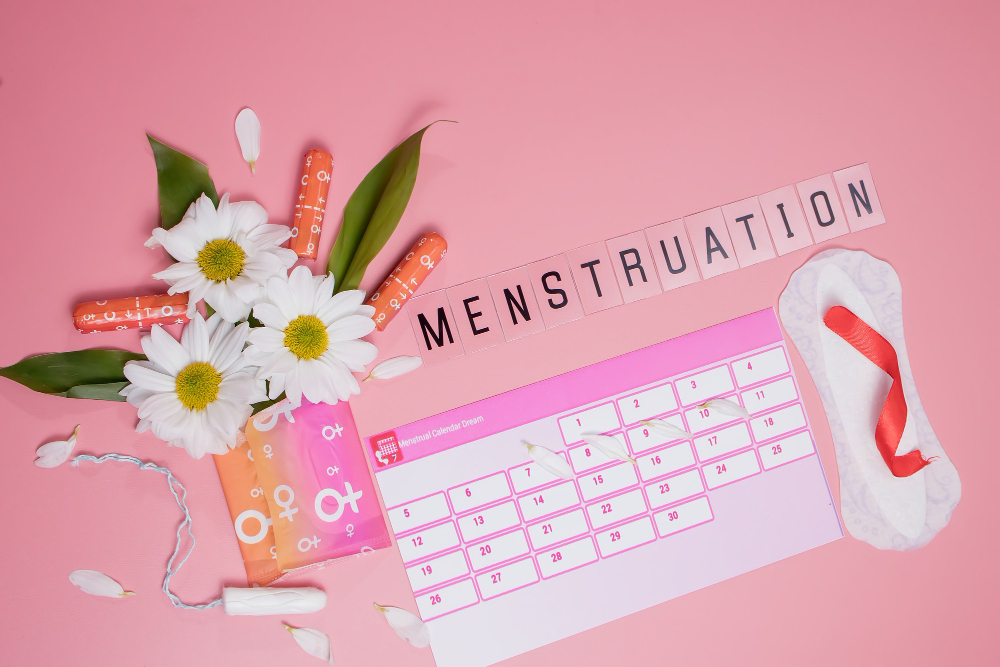
Understanding and tracking your menstrual cycle is not just about staying on top of your period dates; it's a powerful tool that can provide valuable insights into your overall health and well-being. Beyond being a natural bodily function, the menstrual cycle is a window into the intricate interplay of hormones and bodily processes. Here's a closer look at the benefits of tracking your menstrual cycle.
One of the most obvious advantages of tracking your menstrual cycle is the ability to predict when your period is due. This can be immensely helpful in planning day-to-day activities, travel, and social events. By knowing your cycle length and understanding your body's signals, you can prepare for and manage your menstrual period more effectively.
Menstrual tracking is a crucial component of fertility awareness. If you're trying to conceive or avoid pregnancy, understanding your fertile window is essential. Tracking basal body temperature, cervical mucus, and other fertility signs can help pinpoint ovulation, increasing the chances of conception during fertile days or aiding in contraception if avoiding pregnancy.
The menstrual cycle is regulated by hormones, and changes in hormone levels can affect mood, energy, and even skin condition. By tracking your cycle, you can identify patterns in hormonal fluctuations. This knowledge empowers you to proactively manage mood swings, fatigue, and other symptoms associated with different phases of the menstrual cycle.
Irregularities in the menstrual cycle can sometimes signal underlying health issues. Consistent tracking can help identify irregular patterns or abnormalities, prompting timely medical attention. For example, sudden changes in menstrual flow, severe pain, or irregular cycles may be indicative of hormonal imbalances, polycystic ovary syndrome (PCOS), or other reproductive health issues.
Knowing where you are in your menstrual cycle can guide self-care practices. During menstruation, focusing on rest and relaxation might be more beneficial, while the ovulatory phase might be a time to engage in more intense physical activities. Tailoring self-care to your menstrual cycle can contribute to a healthier and more balanced lifestyle.
Many individuals grow up without a comprehensive understanding of their menstrual cycles. Tracking provides an opportunity to become more literate about one's own body and its natural processes. This knowledge fosters a sense of empowerment, breaking down taboos and promoting a positive attitude towards menstruation.
In essence, tracking your menstrual cycle is a holistic approach to health and well-being. Beyond its role in predicting periods, it serves as a guide to fertility, a window into hormonal health, and a tool for personalized self-care. By embracing menstrual tracking, individuals can gain a deeper understanding of their bodies, fostering a proactive and empowered approach to health.