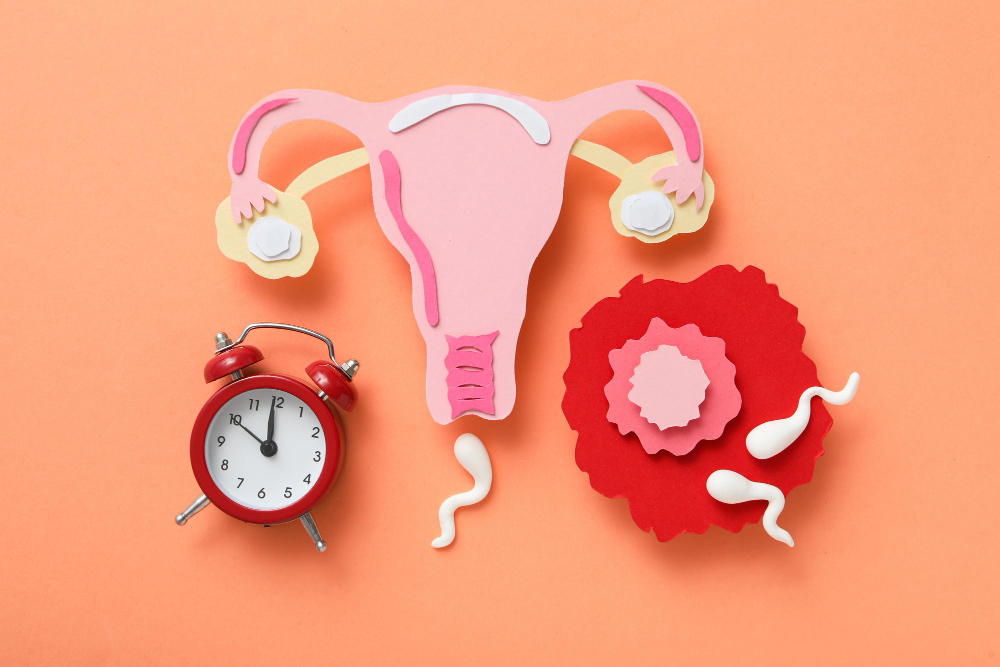
Ovulation is an important part of a woman's menstrual cycle, and it is essential for fertility. Understanding the signs of ovulation can help women identify their fertile window and increase their chances of becoming pregnant. In this article, we will discuss the signs of ovulation that every woman should know.
One of the most noticeable signs of ovulation is changes in cervical mucus. During ovulation, the mucus becomes thin, watery, and slippery, which makes it easier for sperm to travel to the egg.
A woman's BBT can provide valuable information about her menstrual cycle. During ovulation, there is a slight increase in BBT, which indicates that ovulation has occurred.
Some women experience mild pain or cramping during ovulation. This is known as mittelschmerz, and it occurs when the egg is released from the ovary.
Many women experience an increase in libido during ovulation. This is due to hormonal changes in the body, which can increase sexual desire.
Some women experience breast tenderness or swelling during ovulation. This is also due to hormonal changes in the body.
Some women may experience light spotting during ovulation. This is usually caused by the rupture of the follicle as the egg is released.
Some women may notice that their sense of smell is heightened during ovulation. This is due to hormonal changes in the body.
It is important to note that not all women experience these signs of ovulation. Some women may experience only a few of these symptoms, while others may not experience any at all. Additionally, these signs can vary from cycle to cycle.
If you are trying to conceive, tracking your menstrual cycle and monitoring these signs can be helpful. There are also ovulation predictor kits available that can help you identify your fertile window.
In conclusion, understanding the signs of ovulation is important for women who are trying to conceive. By tracking changes in cervical mucus, BBT, libido, breast tenderness, spotting, smell, and ovulation pain, women can identify their fertile window and increase their chances of becoming pregnant.