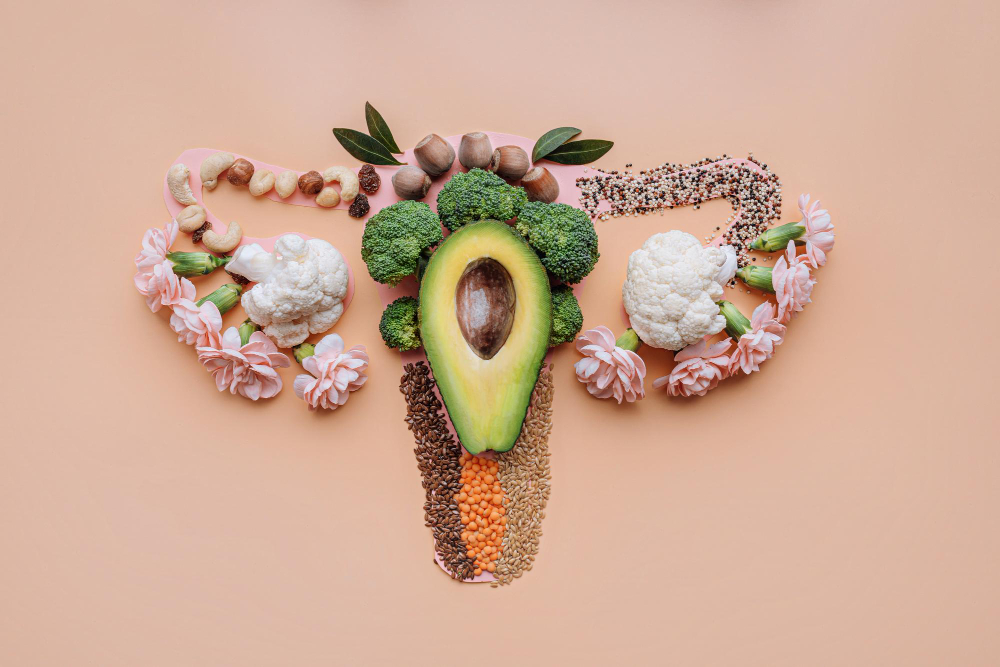
Explore the Impact of Nutrition on Polycystic Ovary Syndrome
Polycystic Ovary Syndrome (PCOS) is a common hormonal disorder affecting people with ovaries. It can lead to various health challenges, including irregular periods, fertility issues, and hormonal imbalances. While medical interventions are crucial, adopting a healthy diet plays a significant role in managing PCOS symptoms. In this guide, we'll delve into the connection between diet and PCOS and how making informed nutritional choices can positively impact your well-being.
Your diet can influence PCOS symptoms in several ways. One of the primary considerations is insulin resistance. Many individuals with PCOS experience insulin resistance, which can lead to elevated insulin levels. This, in turn, contributes to the overproduction of androgens (male hormones), exacerbating PCOS symptoms.
Choosing foods with a low glycemic index, such as whole grains, vegetables, and lean proteins, can help stabilize blood sugar levels and reduce insulin resistance. Additionally, maintaining a balanced diet supports weight management, another crucial aspect for individuals with PCOS.
1. **Balanced Macronutrients:** Ensure your meals include a balance of carbohydrates, proteins, and fats. Focus on whole foods, such as fruits, vegetables, and lean proteins, while minimizing processed and sugary items.
2. **Fiber-rich Foods:** Incorporate high-fiber foods like legumes, whole grains, and vegetables into your diet. Fiber helps regulate blood sugar levels and promotes digestive health.
3. **Healthy Fats:** Include sources of healthy fats, such as avocados, nuts, and olive oil. These fats are essential for hormone production and overall well-being.
4. **Mindful Eating:** Pay attention to portion sizes and practice mindful eating. This can help prevent overeating and support weight management, a crucial factor in PCOS.
5. **Hydration:** Stay adequately hydrated by drinking plenty of water. Water supports various bodily functions, including hormone regulation and detoxification.
While focusing on nutrient-dense foods, it's also essential to limit or avoid certain items that can worsen PCOS symptoms:
1. **Processed Foods:** Cut back on processed foods, which often contain added sugars and unhealthy fats contributing to insulin resistance.
2. **Sugary Beverages:** Minimize the consumption of sugary drinks, as they can lead to blood sugar spikes and negatively impact insulin levels.
3. **Highly Processed Carbohydrates:** Reduce the intake of refined carbohydrates like white bread and pastries, opting for whole grains instead.
While dietary changes can positively influence PCOS management, it's crucial to consult with a healthcare professional for personalized advice. A registered dietitian or nutritionist can help create a tailored nutrition plan based on individual needs and preferences.
Incorporating a balanced and mindful approach to nutrition can be a powerful tool in managing PCOS symptoms. By making informed dietary choices, individuals with PCOS can support their overall health and well-being. Remember, small changes over time can lead to significant improvements. Always consult with healthcare professionals for personalized guidance on managing PCOS through lifestyle and dietary interventions.