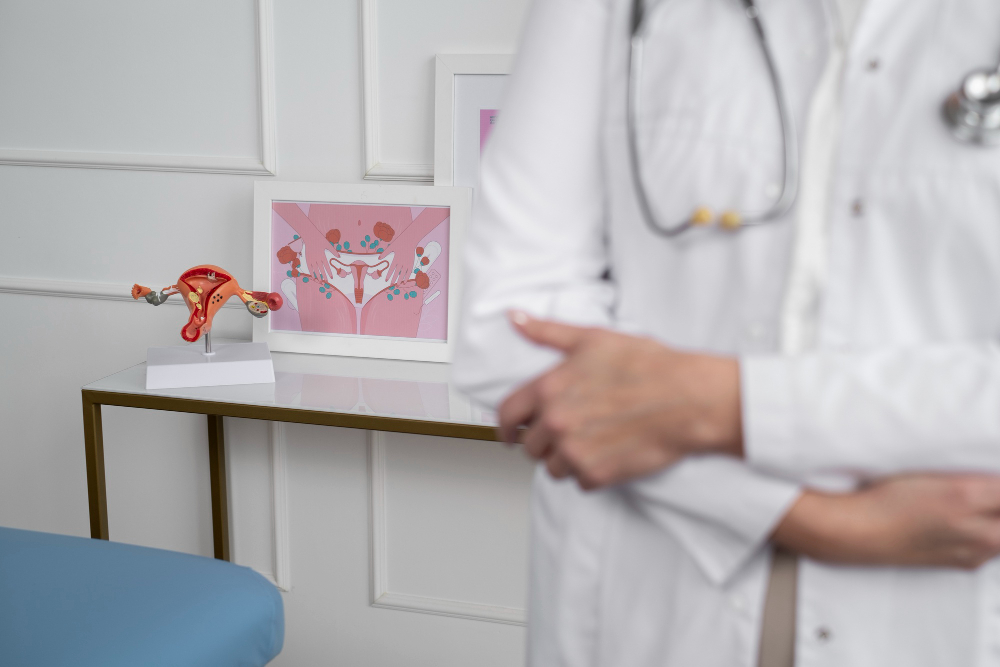
Physiological Processes:
1. Menstrual Cycle Overview: The menstrual cycle is a monthly series of changes that occur in a woman's body in preparation for the possibility of pregnancy. On average, it lasts about 28 days, although variations are normal...
2. Hormonal Orchestra: Hormones play a crucial role in regulating the menstrual cycle. The key players are estrogen and progesterone. Estrogen helps prepare the uterine lining for a potential pregnancy, while progesterone maintains the uterine environment...
3. Menstruation (Period): Menstruation occurs when the uterine lining, rich in blood and nutrients, is shed because no pregnancy has occurred. This process typically lasts about 3 to 7 days. The menstrual blood consists of blood, tissue from the uterine lining, and mucus.
Common Myths and Misconceptions:
1. Myth: Menstruating Women Are Impure: Reality: Menstruation is a natural biological process, and there is nothing impure about it. Cultural and religious beliefs often perpetuate this myth, contributing to period stigma...
2. Myth: You Can't Exercise During Your Period: Reality: Exercise can be beneficial during menstruation. It may alleviate cramps and improve mood. It's essential to listen to your body and choose activities that feel comfortable...
3. Myth: Menstrual Blood Is Dirty: Reality: Menstrual blood is not different from any other blood. It is a mix of blood, tissue, and mucus, and its purpose is to nourish a potential embryo. It is not dirty or impure...
4. Myth: PMS Is Just a Myth: Reality: Premenstrual Syndrome (PMS) is a real phenomenon with a range of physical and emotional symptoms. These symptoms vary among individuals and can include mood swings, bloating, and fatigue.
Conclusion:
Understanding the science behind menstruation is crucial for dispelling myths and promoting a more informed and supportive attitude towards this natural process. Menstruation is not only a sign of reproductive health but also a normal part of life that should be embraced without shame or stigma. By fostering open conversations and accurate information, we can contribute to breaking down societal taboos surrounding menstruation.